
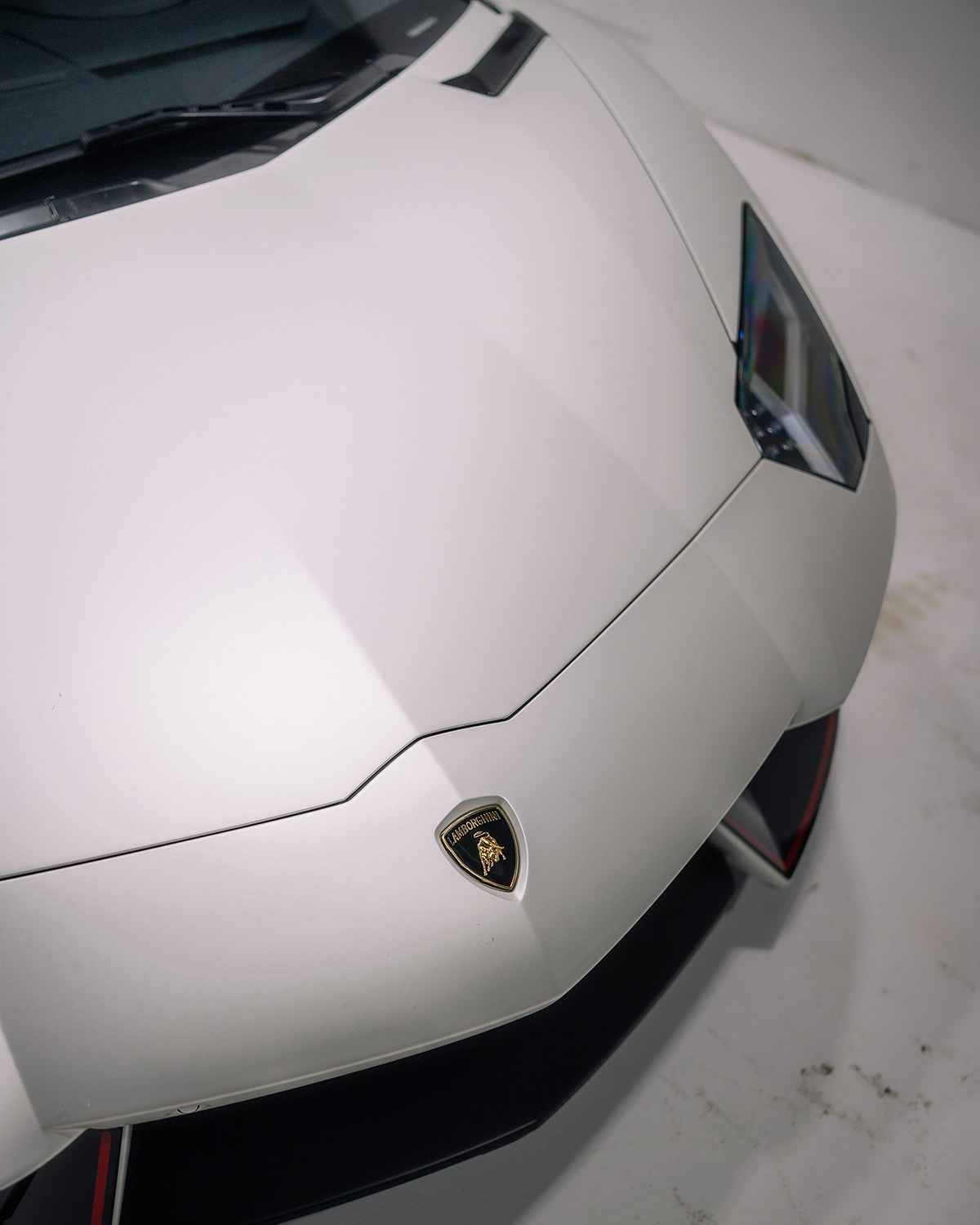
How UV Rays Damage Your Paint
Ultraviolet radiation from the sun is one of the biggest threats to your vehicle's finish. UV rays break down the molecular bonds in your clear coat over time, causing oxidation — that chalky, faded look you see on older vehicles that have been left in the sun without protection.
Oklahoma's UV Challenge
Oklahoma consistently ranks among the sunniest states in the country, with Tulsa averaging over 230 sunny days per year. Combined with summer temperatures regularly exceeding 100°F, the UV exposure your vehicle faces here is significantly higher than the national average. This accelerated exposure means paint degradation happens faster without proper protection.
Signs of UV Damage
UV damage is gradual, so it's easy to miss until it becomes severe. Early signs include a subtle loss of gloss and depth in the paint color. As damage progresses, you'll notice fading — especially on horizontal surfaces like the hood and roof that receive the most direct sunlight. Advanced oxidation presents as a rough, chalky texture that can't be restored with simple polishing.
Window Tinting for Interior Protection
While this guide focuses on exterior paint, it's worth noting that quality window tint protects your vehicle's interior from UV damage too. Automotive window film blocks up to 99% of harmful UV rays, preventing dashboard cracking, seat fading, and steering wheel deterioration. It also reduces cabin temperature significantly.
Ceramic Coating as UV Shield
Professional ceramic coating is one of the most effective long-term solutions for UV protection. The SiO2-based coating creates a UV-resistant barrier that prevents rays from reaching and degrading the clear coat. Unlike wax that breaks down quickly in intense heat, ceramic coating maintains its protective properties for years.
Paint Protection Film
PPF offers both UV protection and physical impact resistance. The film itself contains UV inhibitors that prevent yellowing over time while blocking harmful rays from reaching the paint underneath. For vehicles regularly exposed to Oklahoma's sun, PPF on high-exposure panels like the hood and roof provides excellent defense.
Parking and Storage Habits
The simplest form of UV protection is keeping your vehicle out of direct sunlight when possible. Covered parking, garages, and car covers all dramatically reduce UV exposure. When covered parking isn't available, try to park in shade from buildings or trees — just watch for sap and bird droppings.
Heat-Related Paint Stress
Beyond UV rays, extreme heat itself stresses your paint. Thermal expansion and contraction cycles can cause micro-cracking in the clear coat over time. Dark-colored vehicles absorb more heat and are particularly susceptible. Protective coatings help moderate these thermal cycles by adding an insulating layer.
Seasonal Protection Strategy
In Oklahoma, your UV protection strategy should peak in spring and summer. Apply or refresh your ceramic coating or sealant before the hottest months. Consider PPF for the most exposed panels. And maintain a regular washing schedule to remove contaminants that become more damaging when baked onto the surface by the sun.
Get Professional Protection
At MK Auto Design, we help Tulsa-area vehicle owners fight back against UV damage with professional ceramic coating, PPF, and window tinting. Contact us to discuss the best protection package for your vehicle and driving conditions.